Our Common Home

The Bible teaches us that God created heaven, earth, and all living beings. From the beginning, God commanded humanity to till and keep the earth, acting as responsible stewards of all creation.

Today, the Catholic Church constantly dialogues with those affected by the climate crisis, discerning what is truly happening and proclaiming justice for creation through its pastoral activities and educational programs.

Keep and till the earth - The story of our common home

The Plight

In his encyclical Laudato Si’, Pope Francis reminded us that the earth and all creation are the common good of all, and everyone must take responsibility to care for our common home.

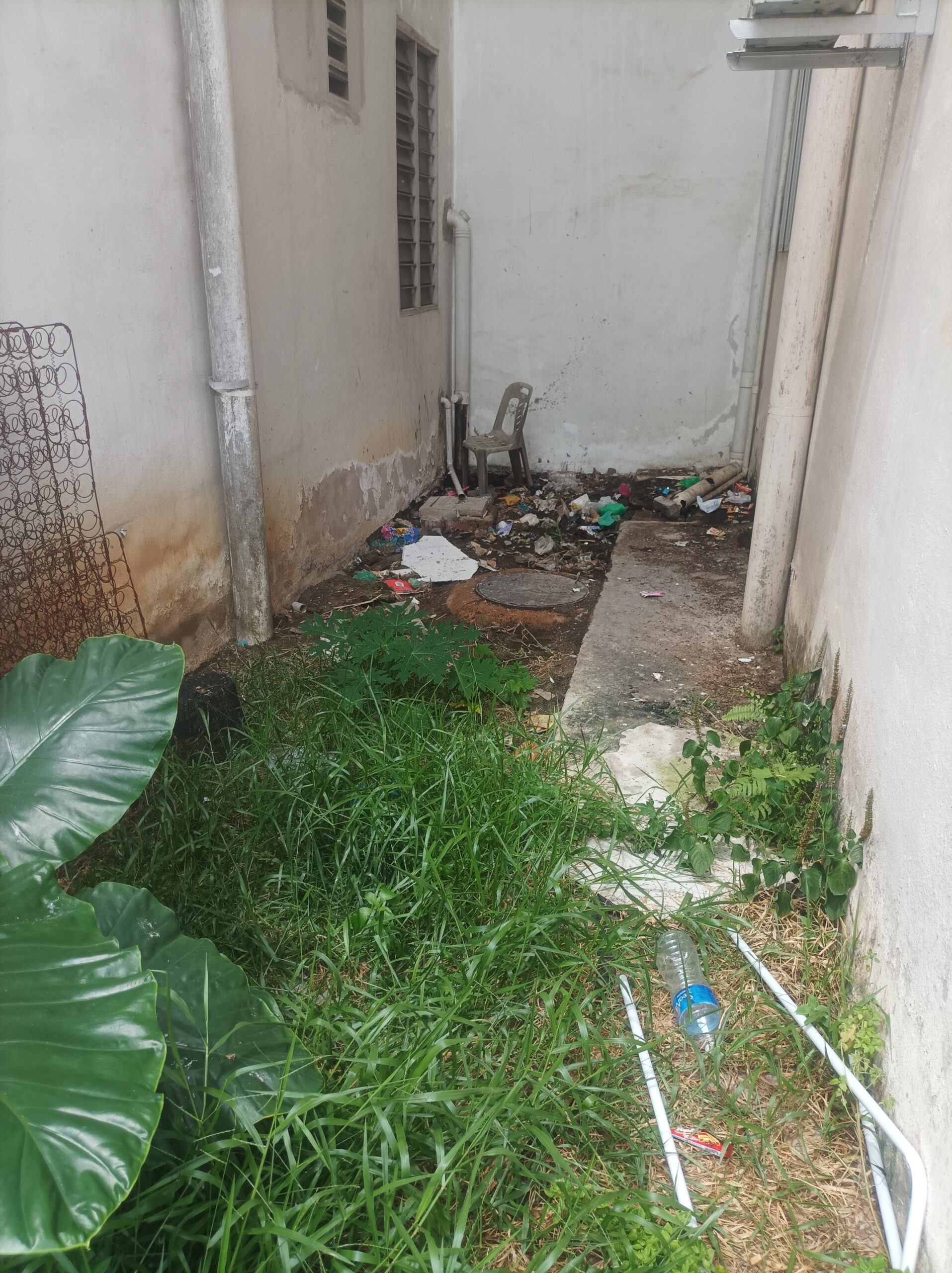
Two major attitudes contribute to our worsening climate crisis: the throwaway culture and the globalization of indifference.

The throwaway culture promotes a fast, convenient lifestyle where once-reusable items are now instantly disposable. Meanwhile, the globalization of indifference causes hearts to grow cold to the suffering of others in the pursuit of self-satisfaction.

Together, these modern attitudes deeply wound Mother Earth. Natural resources are hoarded as profitable merchandise, and rampant factory production increases waste, polluting the land, air, and water, and devastating the lives of animals and nature.

We see the heartbreaking results in our own communities. Fishermen suffer as fish populations dwindle; farmers face ruined crops due to unpredictable, extreme weather; and rising river waters flood indigenous villages, destroying their farms and homes. The urban poor are not spared; extreme heat and frequent flash floods push those living below the poverty line further into the margins. When the climate is destabilized, everyone suffers, but the poor always suffer the most.

We must acknowledge the urgency of this crisis and undergo an ecological conversion—changing our way of life to truly care for God’s creation.

img 20250906 143600

Our Intervention

Education on waste management
Education

Migrants and refugees are an integral part of our community, often residing in low-income housing or plantation estates. Unfortunately, they are frequently blamed by locals for waste pollution. To address this friction and promote environmental stewardship, Caritas Penang partners with the Creation Justice Commission to raise awareness about the pressing need to care for our common home. Within our parishes, these two ministries collaborate to educate both local and migrant communities on the 3Rs (Reduce, Reuse, Recycle).

This education extends beyond the church walls; Caritas Penang actively works alongside refugee and migrant communities in their own neighborhoods, organizing joint clean-ups and providing hands-on waste management education.

ecology prayer corner
Ecological conversion

Some parishes have enforced a no-plastic policy within the church compound and encourage parishioners to bring their own containers. Parishioners are also required to wash their own dishes after use. The cafeteria provides a recycling area where everyone can sort their rubbish by type. Ministry leaders engage children in growing vegetables at the church, which are then distributed to charity homes. Together, these church activities are designed to raise awareness about caring for our common home.

In Kulim, the parish priest established a dedicated ecology corner, inviting parishioners to pause and pray whenever they pass by. By prioritizing the preservation of existing trees over structural development, the church grounds have been transformed into a natural sanctuary where many birds now make their home. To further encourage a mindful shift in lifestyle, prayers for the care of creation are integrated into every Sunday Mass.

community clean up
Initiatves

While many young people are enthusiastic about participating in clean-up drives, our primary focus is emphasizing the deeper why behind these actions.

A recent example occurred in Ipoh, where a flash flood washed heavy waste pollution into a local river. The accumulated rubbish emitted foul odors that threatened the health of nearby residents and disrupted the river's ecosystem. In response, the Parish Caritas and the Creation Justice Commission organized a targeted clean-up to remove the waste and restore the waterway.

Ultimately, the climate is a common good—but when it is abused, the marginalized pay the highest price. The cry of the earth is intimately connected to the cry of the poor. Therefore, when we take responsibility for our common home, we are actively working to reduce the suffering of the most vulnerable. The only effective path forward is an ecological conversion: a profound transformation where each of us renounces harmful habits and shifts our lifestyle from wastefulness to intentional care. This conversion remains the ultimate objective and goal of our work with creation.

2026 © All Rights Reserved.